John Carpenter is a director most famous for his contributions to the horror genre with his films Halloween (1978) and The Thing (1982). His films, especially Halloween, will serve as inspiration to use for my own horror film opening sequence.
John Carpenter started off his Directing career with a number of short films throughout the 60s, starting with Revenge of the Colossal Beasts in 1962. His short films were mostly science fiction and fantasy, and three were about giant monsters, namely Godzilla and Gorgo. His first feature film was Dark Star in 1974, which was followed by his next film Assault on Precinct 13 in 1976. However, it was his third film, Halloween, which finally established him as a great horror director.
Halloween was a huge success. Filmed in under a month on a minimal budget, Halloween is one of the most profitable and iconic horror films ever made. It will serve as my main inspiration, due to its great use of practical effects and the way it creates suspense, all on a small budget. Halloween was followed a couple of films later by another Carpenter classic - The Thing in 1982.
Other horror films by Carpenter include The Fog in 1980, Prince of Darkness in 1987, and The Ward in 2010. He is also better known for his collaborations with actor Kurt Russell, in Escape From New York and Escape From LA, as well as Big Trouble Little China. He is also responsible for the cult classic social commentary piece They Live in 1988, in which Roddy Piper established the film with the line: "I have come here to chew bubble gum and kick ass, and I'm all out of bubble gum".
Overall Carpenter is a great director, whose films are generally unappreciated on release, but now many are classics and will serve as inspiration.
Thursday, 12 December 2013
Tuesday, 10 December 2013
Location
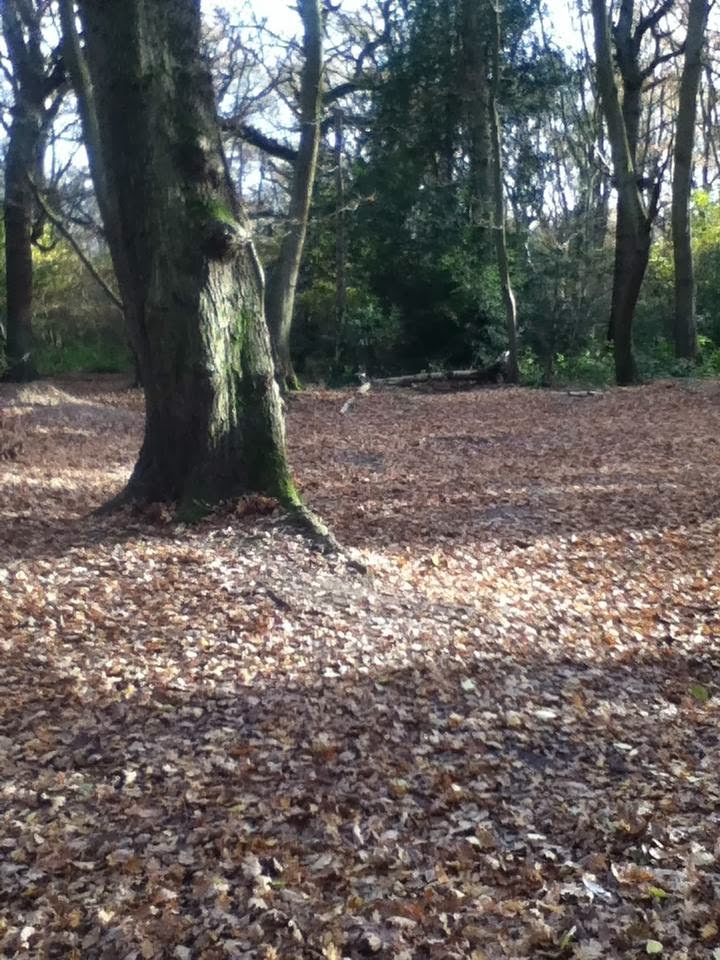
As our sequence will be within the horror genre, a prime location is woodland areas. Below are some shots of a potential filming location:
Friday, 29 November 2013
Survey
Below is the link to my survey I am using for audience research:
https://www.surveymonkey.com/s/3XGGNGG
Thursday, 28 November 2013
House of a Thousand Corpses Opening
This video is the opening titles to Rob Zombie's House of a Thousand Corpses, a throwback to films like Texas Chainsaw Massacre. This is the first of three horror film opening sequences I will be analyzing.
The sequence is made up of archive footage that relate to the events and the setting of the film. This is something I will be drawing inspiration from for my opening sequence, as I expressed in my analysis of the World War Z opening sequence. We see footage of surgery, abandoned houses and skeletons, letting you know straight away it's a horror film (if you didn't figure it out from the title). Combined with this footage is Zombie,s own shots edited with a grainy effect or with the colors reversed. The footage and dark grainy effects help to make it feel like a gritty southern horror. I can draw inspiration from the editing used to help in the creation of my own opening.
The song in that plays during the opening is Zombie's own song that has the same name as the film. The soundtrack helps to add to the atmosphere of the opening, and helps to show how important sound can be in an opening sequence. However, I believe silence may benefit my opening more, making the archive footage to seem more mysterious and freaky.
Overall, this is a great opening sequence. Combining archive footage along with Rob Zombie's sound track and editing, to establish the film as a crazy southern fried horror movie.
Thursday, 21 November 2013
Genre
After some thought, it's been decided the best genre for the opening sequence would be the horror genre. This is for multiple reasons, the main one being the horror genre can be utilized to make great films on low budgets. Not to say it's easy, as there are many awful low budget horror films around.
There is a lot of inspiration:
The horror genre is a very popular one, which is reflected in the fact that there are a lot of horror films. Horror films have been around for about a century, with earlier examples including Nosferatu in the 1920's and Freaks in 1932.
Horror films have been produced at a high rate since the release of Nosferatu, becoming even more popular after the release of titles like Halloween in the late 70's, after which horror films have been produced non-stop. Unfortunately, there are long periods where all we get are unoriginal slashers, starring the latest teen breakout witnessing there friends get massacred until the awful twist at the end. So all in all, there is nearly a hundred years worth of horror to watch for inspiration.
They can be done on low budgets in short amounts of time:
As mentioned earlier, horror film's can be done on low budgets and quickly, but that doesn't mean it's easy. There are plenty of films to back this point. A great example is Halloween. Director John Carpenter finished the film in under a month on a minimal budget, yet Halloween was an instant classic and is one of the most profitable films ever made. It also set the bench mark for Horror films after it. The simplicity of it, the absence of CGI and minimal use of affects, is it's strength. Micheal Myers, the killer of the film, is terrifying due to the mystery of his character. His heavy breathing is also chilling, letting you know of his deadly presence, leading to an incredibly tense atmosphere. The greatest thing about this, is that breathing is free. Another great thing about the film is it's opening sequence, revealing the killer's origin in the form of a first person view kill from a young Micheal Myers.
Halloween was quickly followed by Sam Raimi's The Evil Dead in 1981. Evil Dead was also filmed on a low budget just like Halloween, and was also a massive success, spawning two sequels and a remake. Raimi made use of practical effects for all the blood and gore, and ending scene aside, the effects hold up well. All in all The Evil Dead and Halloween both serve as great examples of how horror films can be made on tight budgets, and still be great films.
Monday, 11 November 2013
Analysing the Snatch opening sequence
The video above is sequence from the film Snatch. Unlike most openings, instead of acting as credits, the sequence instead introduces the audience to the films many diverse characters. Just like the timeline sequence from Watchmen, it gives viewers insight into the characters present in the movie. But unlike that sequence, the sequence in Snatch is purely focused on it's characters. With a film that includes this many major characters, an opening like this is an excellent way of ensuring that your audience knows who is who, avoiding confusion and allowing the audience to focus on the film's crazy plot.
One of the best aspects of this sequence is the transitions used to move on to each character. This helps the sequence to flow, as slideshow like transitions are avoided, and instead we are treated to clever jumps to the next of the film's many sociopaths. Whilst being a fast paced opening, we are still able to gather a bit of background on each character involved. For example, we see 'Boris The Blade' holding a gun, suggesting his line of work involves firearms. The names of the characters are also shown, with a comic style freeze frame for each. A final important part of this sequence is the music present through out. It sounds like something that belongs in the background of a hustle or con, and is perfect for this sequence, maintaining the feel of a more light hearted crime thriller.
Subscribe to:
Posts (Atom)